Can climate finance deliver more equitable rice systems?
Sources of informationClimate finance can do more than fund irrigation systems, climate-smart rice varieties, and digital technologies—it can also determine who has the capacity to adapt to climate change. Building more resilient and equitable rice systems requires investment in farmers’ access to climate information, decision-making power, local institutions, and knowledge networks, particularly for women who often face barriers to land, finance, extension services, and technology. One emerging priority is climate intelligence, which helps farmers turn locally relevant weather and climate information into practical decisions on planting, irrigation, fertilization, pest management, and extreme weather preparedness. By investing in people and institutions alongside technology, climate finance can strengthen farmers’ ability to anticipate, respond to, and recover from climate shocks.
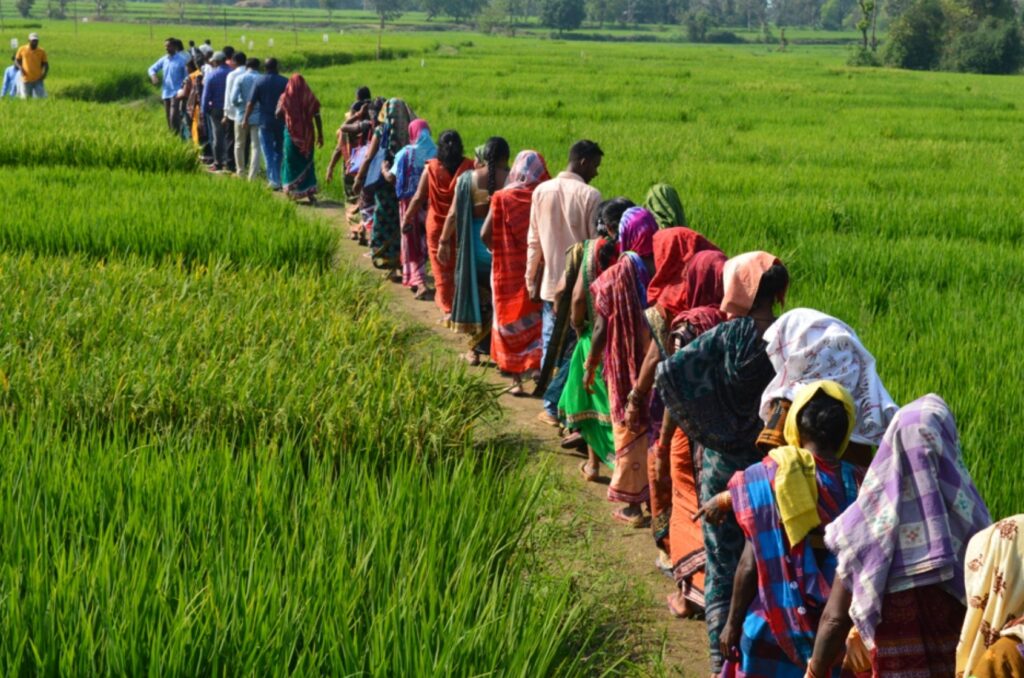
Content adapted from Rice Today (IRRI) | Image source: Rice Today (IRRI)
Viewed Articles
Climate finance can do more than fund irrigation systems, climate-smart rice varieties, and digital technologies—it can also determine who has the capacity to adapt to climate change. Building more re
Read More
December 17, 2025 | Food and Agriculture Organization (FAO) | FAO announced that the Global Environment Facility (GEF) approved a US$58.8 million package of 8 FAO-led projects spanning Bangladesh, DR
In response to rising fertilizer and energy prices driven by the Middle East crisis, EU Member States have approved the European Commission’s €540 million emergency support package to help farmers cop
Climate change and nature loss are increasingly interconnected, yet definitions of “net zero” and “nature positive” still vary across financial frameworks, taxonomies, and tracking methodologies. A ne
June 8, 2026 | Food and Agriculture Organization (FAO) |Opening the FAO Council's 181st Session, FAO Director-General warned that the prolonged closure of the Strait of Hormuz — a chokepoint for r
May 21, 2026 | Yahoo News / UPI | Vietnam has committed to reaching net-zero emissions by 2050, anchored in its National Climate Change Strategy, which targets a 43.5% emissions reduction by 2030 and


