How circular agriculture can work for farmers and agribusinesses
FFTC Smart Net-Zero | Feature, November 2026
Crop residues, livestock manure and processing by-products have long been treated as waste.
International research suggests they could become fertilizer, soil amendments, feed and energy again.
But technical feasibility does not mean farmers will adopt a practice.
For smallholders, is a new practice affordable? For agribusinesses, can it become a stable business model?
Drawing on the economic analysis by Khanna et al. (2024) and other international research, this article offers points to consider, with further reading on related cases.
Resource losses: the cost is more than disposal
Resource losses are not only an environmental problem; they also make farming more dependent on outside inputs.
Conventional linear agriculture follows a path of inputs, production and waste.
Phosphorus, for example, is lost at every stage, from mining and processing to fertilizer application and waste handling.
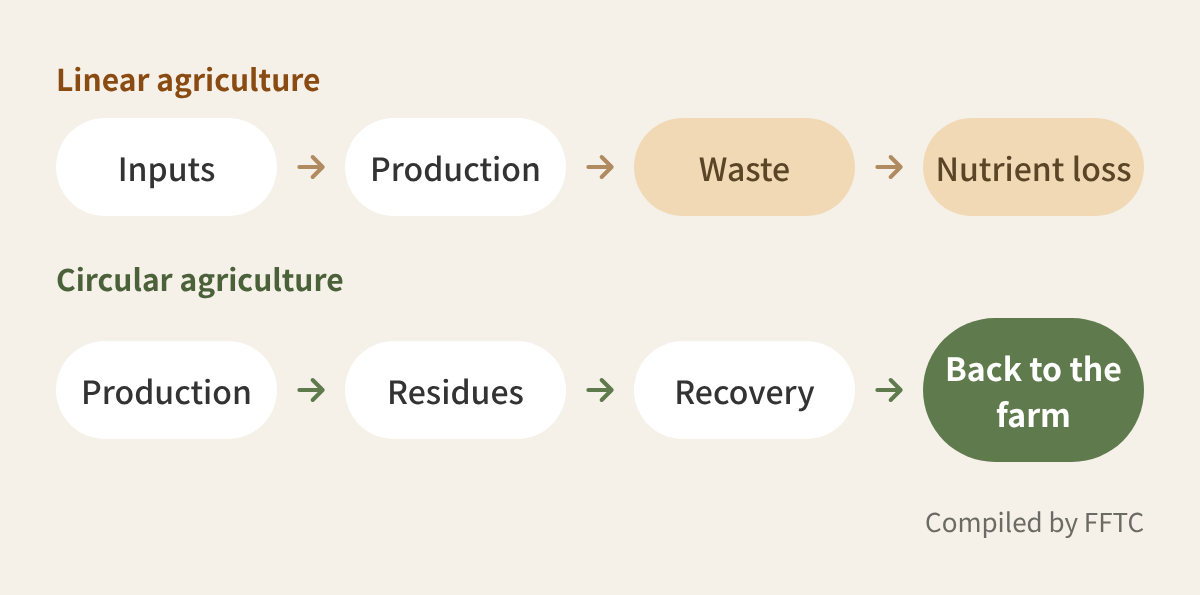
Figure 1. Linear versus circular agriculture
| Think about it Beyond whether residues can be reused, a more useful question is: is reuse more sensible and more beneficial than the way they are handled now? |
Available practices: from residues to productive resources
The five practices below come from different countries and different types of studies, and suit different scales.
Figure 2 shows who they may suit; whether a practice is right for a given farm still depends on its own conditions.
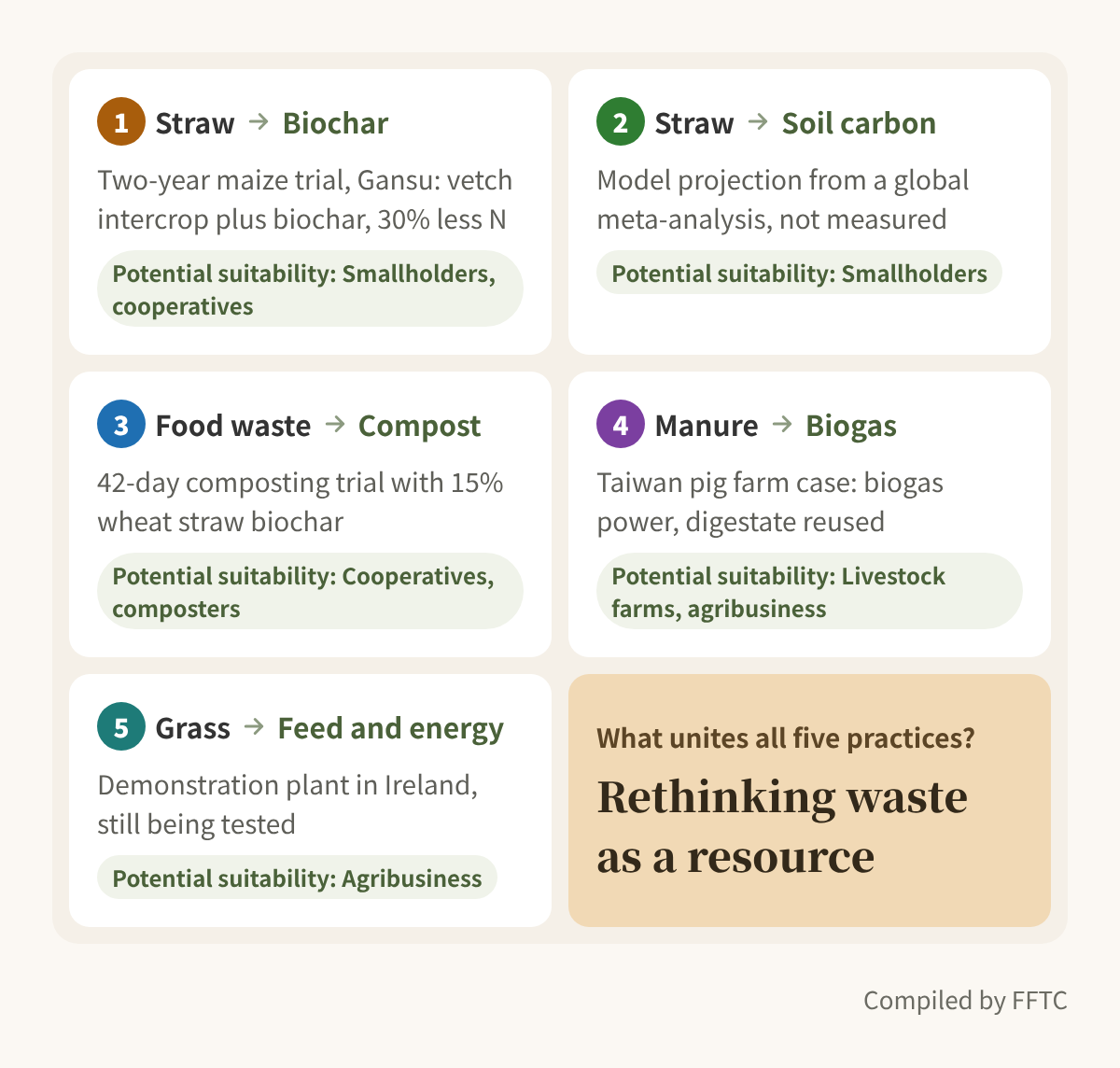
Figure 2. Five reuse practices, study conditions and who they may suit
| Note The study conditions vary widely: • Maize: a single trial in a dryland region of China • Composting: a small 42-day trial • Grass biorefinery: a demonstration facility in Ireland, still testing technical and economic viability Before drawing on overseas results, check whether the study conditions resemble your own farm. |
| Further reading | What reuse technologies and cases already exist in Taiwan? • Over the past decade, the Ministry of Agriculture and research institutes have developed more than 200 technologies for reusing agricultural residues. • LonSen Livestock Farm in central Taiwan turns pig manure into biogas for power and reuses the digestate and slurry for crops and aquaculture. • In September 2026, the Ministry reported that 49 circular economy products have been developed, with 19 companies taking part.
There is no shortage of technical options. For smallholders, the key is lowering the barrier to adoption; for agribusinesses, it is finding a model that can operate over the long term. → Agriculture Ministry repurposes agricultural waste for economic and environmental gains |
Circular value: more than carbon reduction
Circular practices may cut emissions, improve soils and strengthen resource resilience.
The figures in Figure 3 come from two studies, one measured in the field and one modelled.
Their conditions differ, so the numbers should not be compared directly.
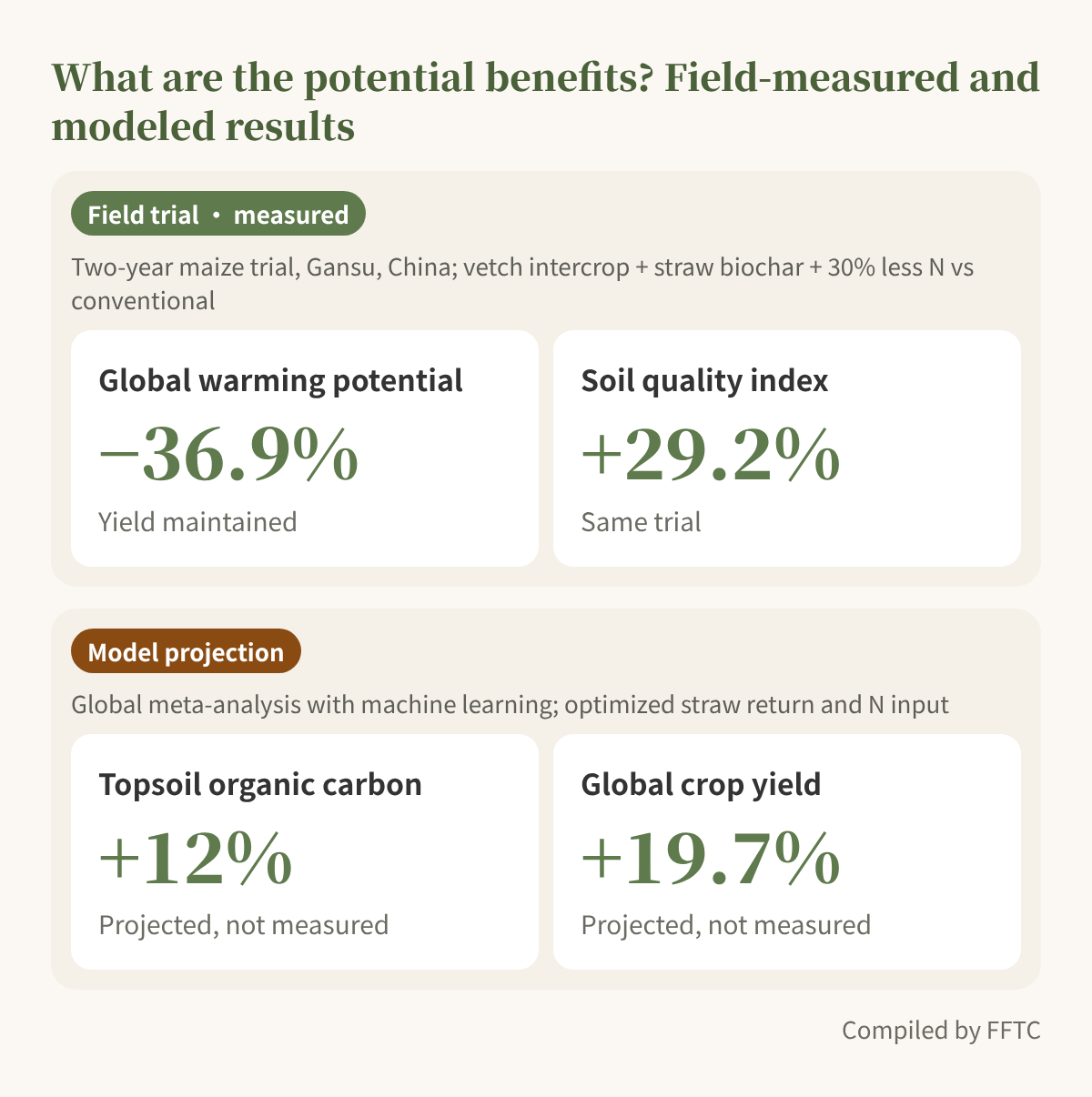
Figure 3. What are the potential benefits? Field-measured and modelled results
A separate modelling study of Ireland’s land sector also shows that circular strategies can reduce dependence on imported fertilizer, feed or energy.
Environmental benefits, however, do not automatically turn into income; treatment, transport and labor costs must still be counted in the total cost.
| Note Circular agriculture also has limits in cutting carbon. A global literature review estimates that all types of agricultural mitigation technologies combined could reduce agricultural emissions by up to about 45%, with the rest requiring carbon removal (Rosa & Gabrielli, 2023). This figure covers agricultural mitigation technologies as a whole, not circular agriculture alone. |
| Further reading | Where does Taiwan stand on agricultural net zero? • The Ministry of Agriculture has pursued agricultural net zero for five years, through four pillars: emission reduction, carbon sink enhancement, circularity and green trends, toward net zero by 2040. • Recent chemical fertilizer use has fallen by about 50,000 tonnes (7%). • Emissions from the agricultural sector have held at about 6.5 million tonnes. Reducing outside inputs is already a direction of agricultural policy, and circular practices are one part of it. (Source: Ministry of Agriculture, September 2026) → Strategic Roadmap to Net-Zero Emissions in Taiwan’s Agriculture Sector by 2040 → Five years of agricultural net zero: chemical fertilizer reduction and cross-sector circular agriculture (Ministry of Agriculture; in Chinese) |
The turning point: the technology exists, so why hold back?
Khanna et al. (2024) argue that technology is necessary but not sufficient. In everyday farm management, this becomes three practical questions:
- Who bears the transition cost? Equipment, labor and uncertain income during the transition put the most pressure on small and medium-sized farms.
- Who can help build a stable business model? Feedstock, logistics, quality control and market demand are all needed; without any one of them, the model is hard to sustain.
- How can the market see the environmental benefits? Adopting circular practices does not necessarily mean a lower product carbon footprint, and measurement and verification come with their own costs.
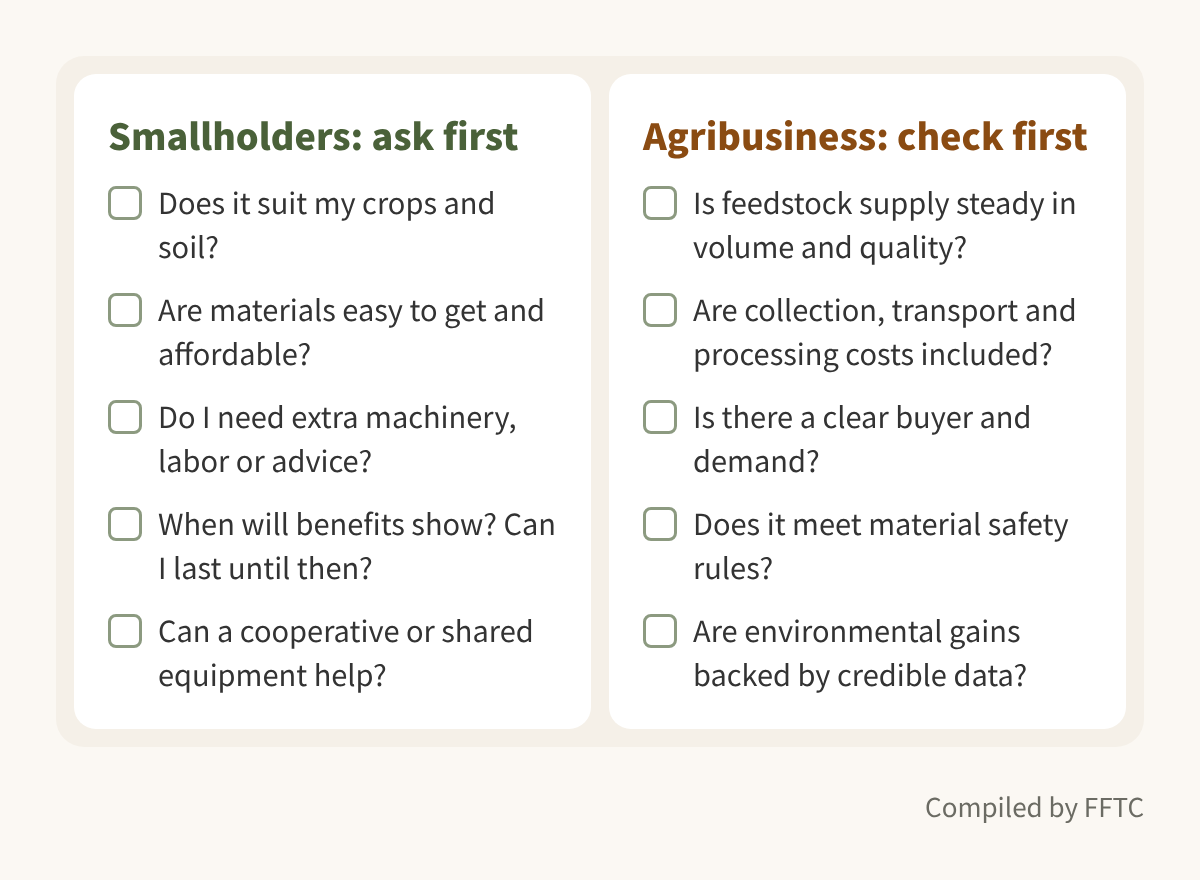
Figure 4. Self-check before adopting circular practices
Want to try? Where to get help
| Need | Contact suggestion |
| Technical advice on crops, soils and materials | District Agricultural Research and Extension Stations |
| Treatment and reuse of livestock residues | Livestock Research Institute, Ministry of Agriculture |
| Shared equipment, joint purchasing and production-marketing cooperation | Local farmers’ associations, production-marketing groups or cooperatives |
| International research and cases | FFTC Smart Net-Zero platform |
Points to weigh: bringing circular agriculture into farm management
Before investing, consider three questions:
- Affordable: Compare the total costs and risks of different practices, including equipment, labor, learning time and income during the transition, before deciding whether to adopt and at what scale to start.
- Sustainable: Make sure feedstock sources, technical services and market demand can all remain stable over time. If any one of them breaks down, a circular model is hard to maintain.
- Visible: Credible environmental data is a tool for communicating with the market, but it does not guarantee a price premium or carbon credit income. Before investing, weigh the cost of verification against the likely return.
Circular agriculture is not only about reusing waste; it is about letting environmental value and business value grow together.
Further reading
- The Agricultural Circular Economy Model of Pig Farm in Taiwan: Using LonSen Livestock Farm as an Example (FFTC-AP): pig manure turned into biogas, with digestate and slurry reused for crops and aquaculture.
- Agriculture Ministry repurposes agricultural waste for economic and environmental gains (FFTC-AP): more than 200 residue reuse technologies developed by the Ministry and research institutes.
- Strategic Roadmap to Net-Zero Emissions in Taiwan’s Agriculture Sector by 2040 (FFTC-AP): the four pillars and the pathway to net zero by 2040.
- Five years of agricultural net zero: chemical fertilizer reduction and cross-sector circular agriculture (Ministry of Agriculture, September 2026; in Chinese): fertilizer reduction of about 50,000 tonnes (7%), 49 circular economy products and 19 participating companies.
References
- Khanna, M., Zilberman, D., Hochman, G., & Basso, B. (2024). Communications Earth & Environment, 5, 507. doi:10.1038/s43247-024-01663-6
- Liu, R., Chang, D., Zhang, J., et al. (2026). Farming System, 4, 100190. doi:10.1016/j.farsys.2025.100190
- Lin, B.-J., Cheng, J., Duan, H.-X., et al. (2024). Resources, Conservation & Recycling, 209, 107743. doi:10.1016/j.resconrec.2024.107743
- Verma, S., Awasthi, M. K., Liu, T., et al. (2023). Bioresource Technology, 373, 128745. doi:10.1016/j.biortech.2023.128745
- Henn, D., Girón Domínguez, C., Martínez-Arce, A., et al. (2026). Communications Earth & Environment. doi:10.1038/s43247-026-04052-3
- Rosa, L., & Gabrielli, P. (2023). Environmental Research Letters, 18, 063002. doi:10.1088/1748-9326/acd5e8
- Walsh, M., Schenk, G., & Schmidt, S. (2023). npj Sustainable Agriculture, 1, 2. doi:10.1038/s44264-023-00002-0
This article synthesizes the studies and public sources above and is not a translation of the originals.


