SBTi Unveils Reports to Boost Corporate Climate Efforts Beyond Traditional Scope
February 29, 2024 | ESG News |
The Science Based Targets initiative (SBTi) has released two new reports to facilitate beyond value chain mitigation (BVCM) strategies, aiming to boost climate action in the private sector. BVCM extends beyond company value chains, helping other actors reduce greenhouse gas emissions. The reports outline steps for BVCM implementation and incentives for corporate adoption, aiming to accelerate progress towards global net-zero goals. They emphasize the importance of transparent BVCM claims and call for increased climate finance to address the urgency of the climate crisis. BVCM efforts are emphasized as essential in addressing the climate crisis, with calls for companies to scale up climate finance and make transparent BVCM claims to contribute to global net-zero goals.
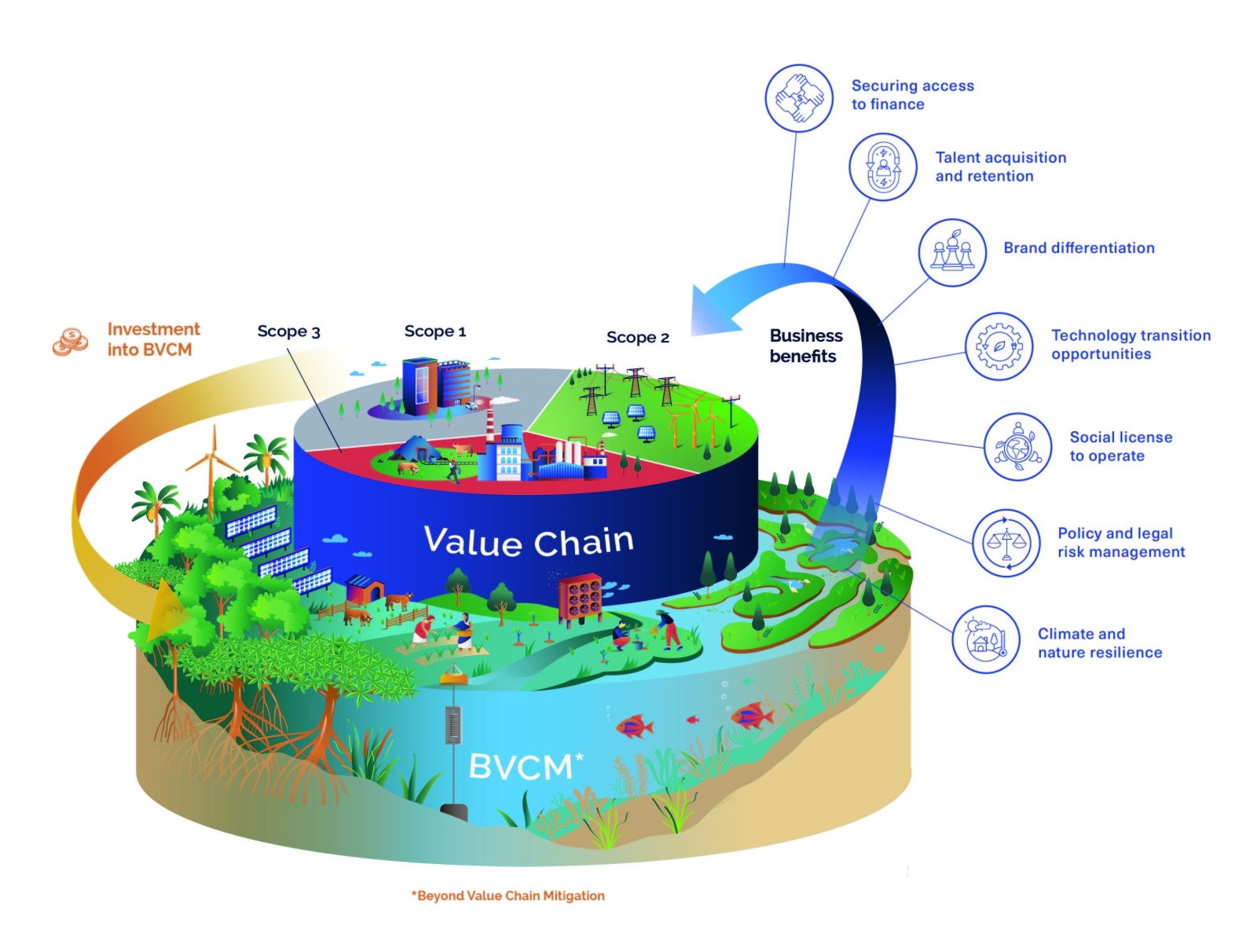
Figure | Beyond Value Chain Mitigation (Source: SBTi)
Viewed Articles
February 29, 2024 | ESG News | The Science Based Targets initiative (SBTi) has released two new reports to facilitate beyond value chain mitigation (BVCM) strategies, aiming to boost climate action in
Read More
Black soldier flies may be small, but they could play a surprisingly big role in more sustainable farming. By breaking down organic waste, they can turn by-products into nutrient-rich fertilizer that
December 1, 2025 | Food and Agriculture Organization (FAO) | Speaking at the opening of the 179th Session of the FAO Council, FAO Director-General outlined 4 pathways to accelerate agrifood system tra
As global populations and incomes grow, so does the demand for meat, eggs, milk and other animal source foods, making livestock increasingly important for nutrition, food security and farmers’ livelih
December 17, 2025 | Food and Agriculture Organization (FAO) | FAO announced that the Global Environment Facility (GEF) approved a US$58.8 million package of 8 FAO-led projects spanning Bangladesh, DR
October 4, 2025 | Global Agriculture | Nadia Krishi Vigyan Kendra (KVK) has become India’s first Net Zero–certified agricultural science center, achieving a verified –74.99 tCO₂e net carbon footprint,


