Workshop highlights farmer education and adaptive capacity under climate uncertainty
Bataan, Bulacan, Cavite, Laguna, and Los Baños, Philippines — 28–30 October 2025
The Food and Fertilizer Technology Center for the Asian and Pacific Region (FFTC), the Department of Science and Technology–PCAARRD (local host), and the University of the Philippines Los Baños (UPLB) jointly organized the Tropical Fruit Consortium 2025 (Philippines) under the theme: “Knowledge to Action: Farmer education and adaptive capacity in the face of climate uncertainty.”
The workshop brought together the Philippines’ DFNet In-Country Working Group and 26 DFNet Consortium members from 10 countries, along with researchers, extension officers, and farmer representatives.
Field Visits Highlight Climate Risks and On-Farm Adaptation
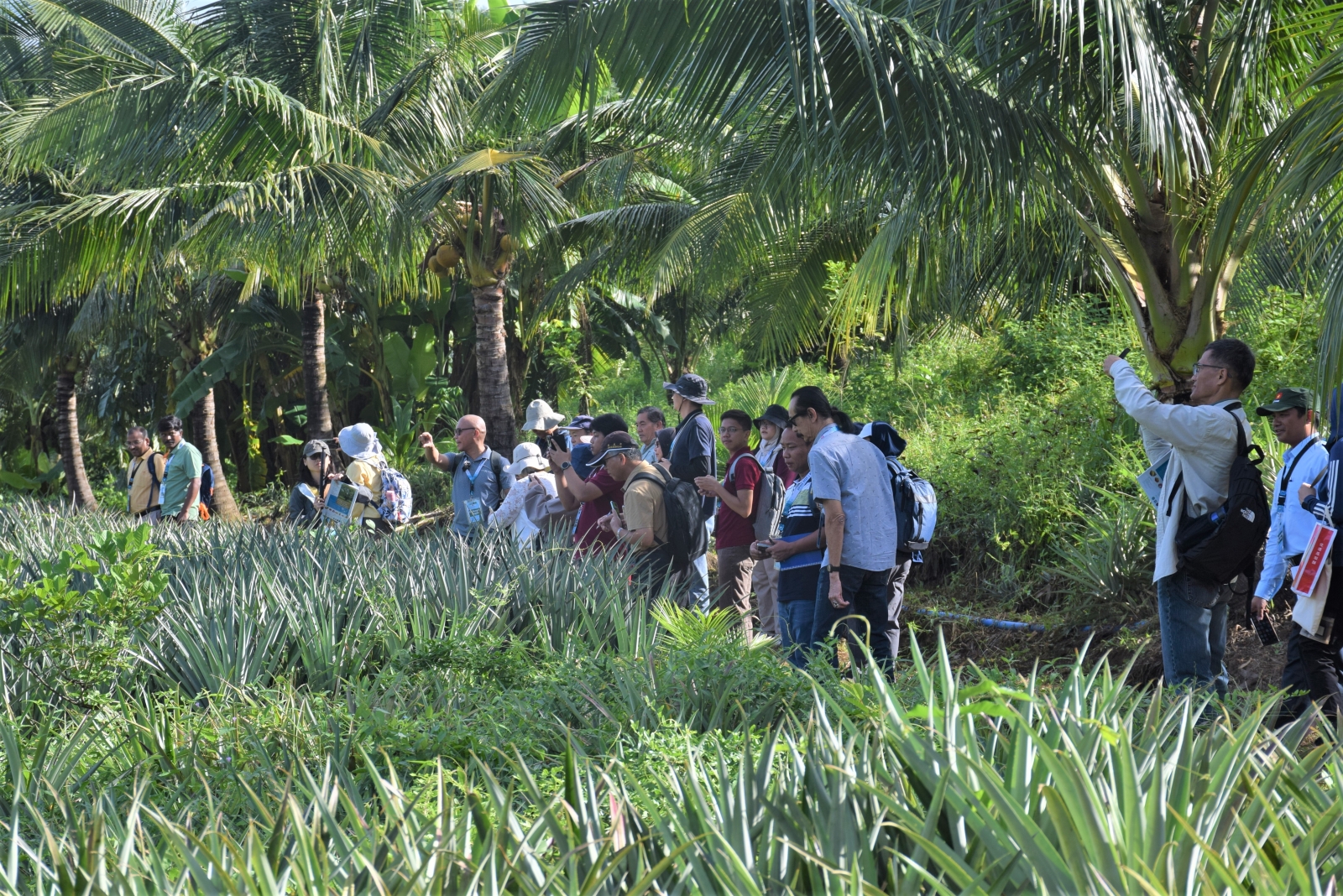
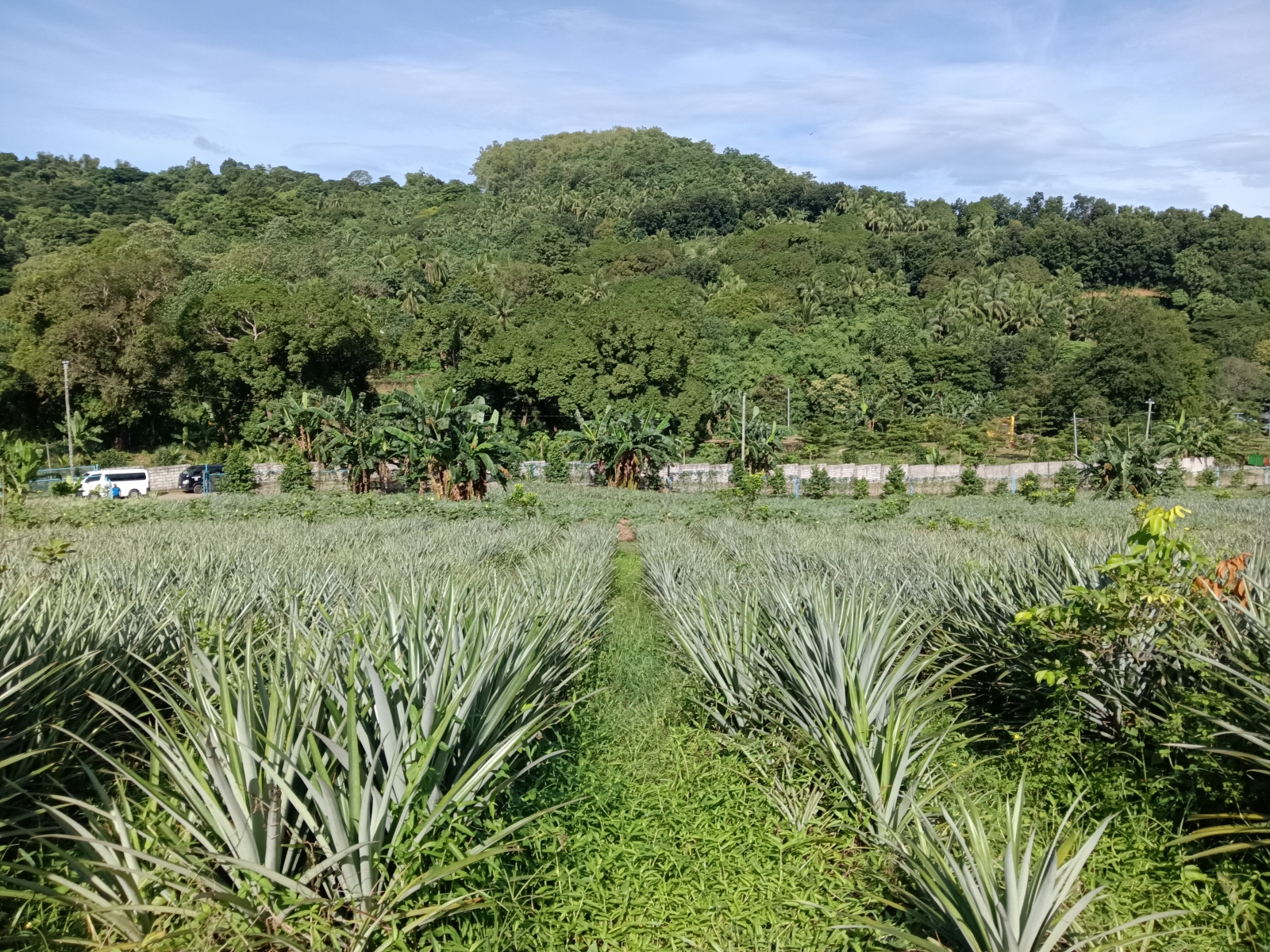
During Day 1 and Day 2 of the event, participants visited Luis Nate Farm Resort, Aya-Oyo Mango Farm, Bulacan Dragon Fruit Depot, Intellifarm indoor strawberry facility, Silan Agrifarm, and De Sagun multi-storey orchard across Bataan, Bulacan, Cavite, and Laguna. Farmers demonstrated practical climate adaptations—mulching, canopy management, fruit bagging, drainage improvement, diversified intercropping, drip irrigation, and controlled-environment cultivation—showing how local growers respond to heat stress, erratic rainfall, and pest pressure.
Forum Emphasizes Knowledge-to-Action and Research Needs
The Day 3 forum focused on how countries are strengthening farmer education, knowledge transfer systems, and institutional support to build adaptive capacity.
Key insights aligned with the theme included:
- Farmer learning systems such as field schools, learning sites, and cooperative-based training;
- Institutional coordination between research, universities, and extension agencies;
- Digital advisory platforms for climate and pest information; and
- Practical knowledge products such as manuals, training modules, and improved planting-material systems.
A critical message from the forum
Participants emphasized that research must be accelerated to better identify, validate, and package best practices for coping with increasing climate risks.
Across countries, many adaptation practices exist, but evidence-based options remain limited, and farmers still lack a clear set of ready-to-use, science-backed solutions for extreme weather, new pests, or long-term climate stress.
The forum concluded that strengthening knowledge-to-action pathways requires both strong farmer education systems and more coordinated research efforts to close these gaps.
Strengthening Regional Collaboration Through DFNet
The workshop reinforced DFNet’s role as a platform for regional cooperation, capacity development, and knowledge exchange. By combining field observations with expert dialogue, the event helped participants identify shared challenges and scalable strategies for climate-resilient tropical fruit production.
For more details, please visit:
🔗 DFNet Workshop
🔗 DFNet Project
.JPG)
Site 1. Luis Nate Farm Resort – Hermosa, Bataan
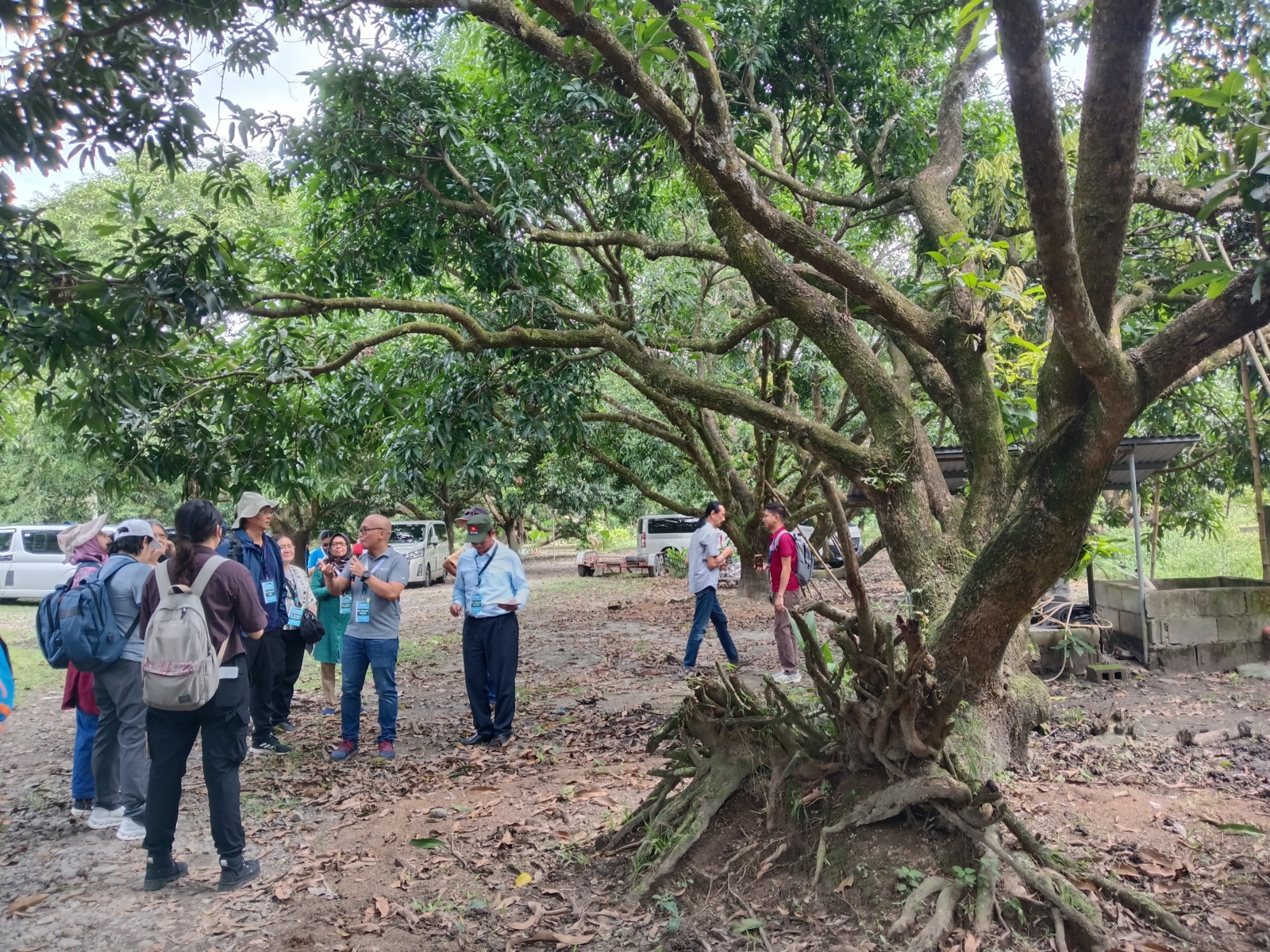
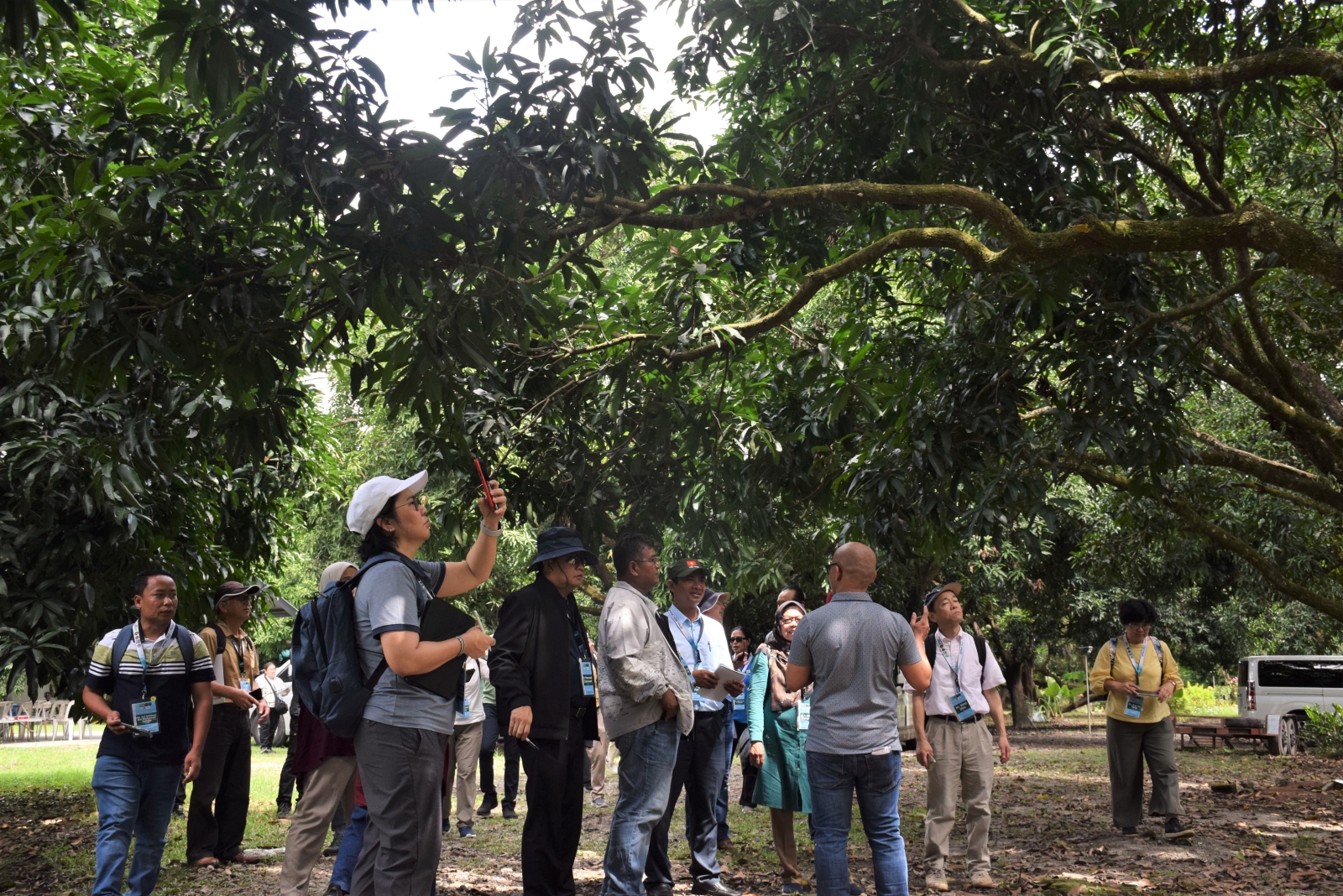
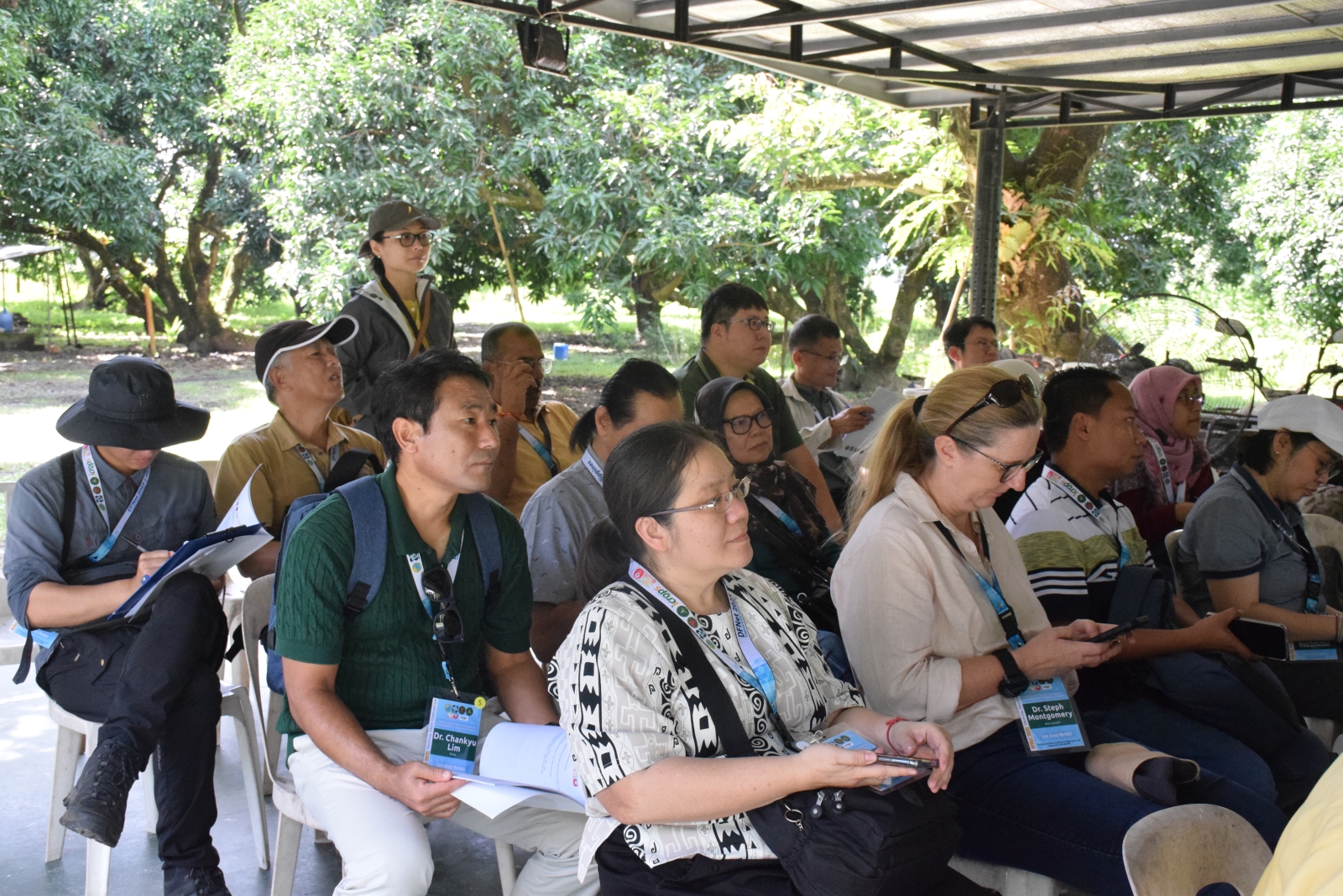
Site 2. Aya-Oyo Farm – Old San Jose, Dinalupihan, Bataan
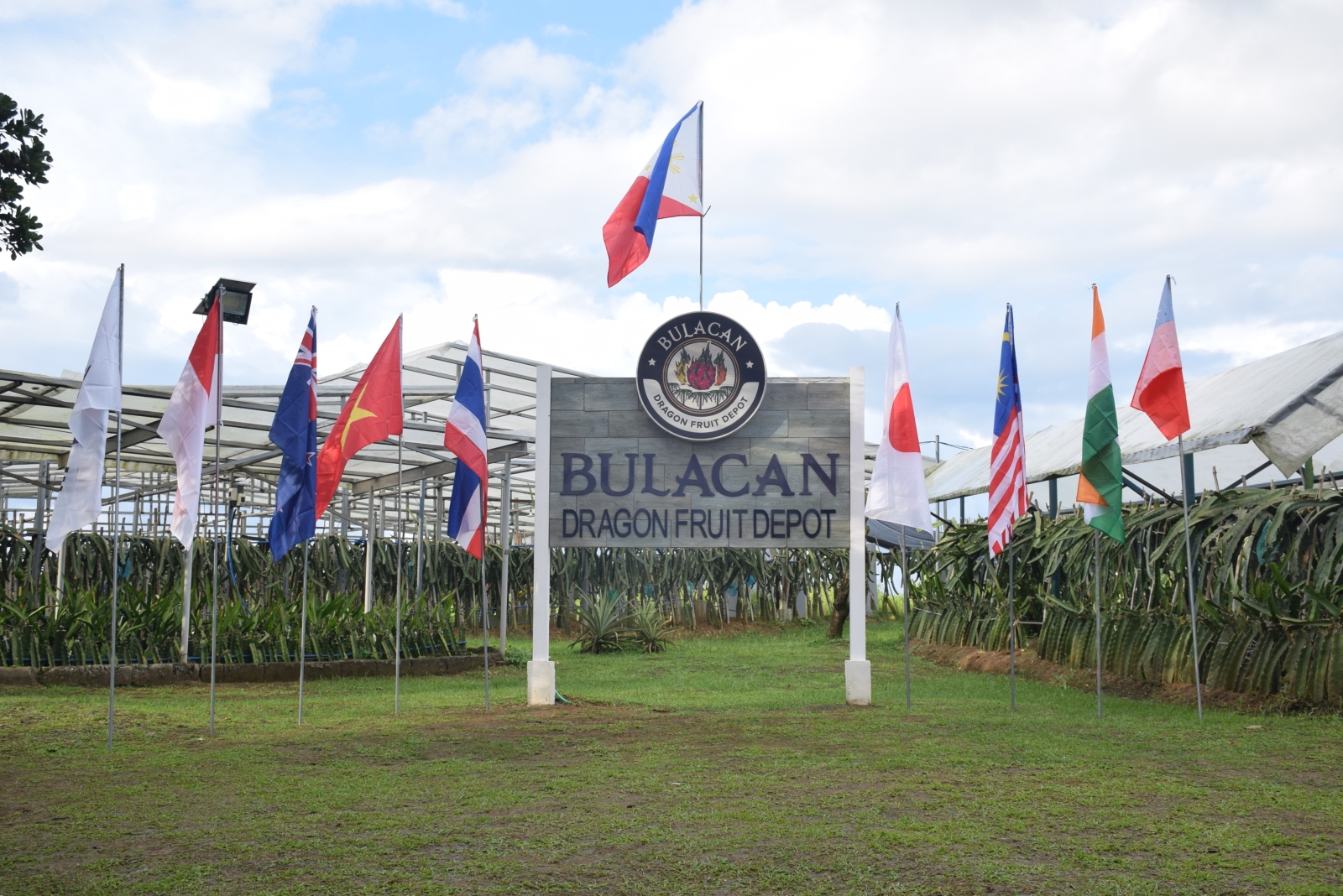
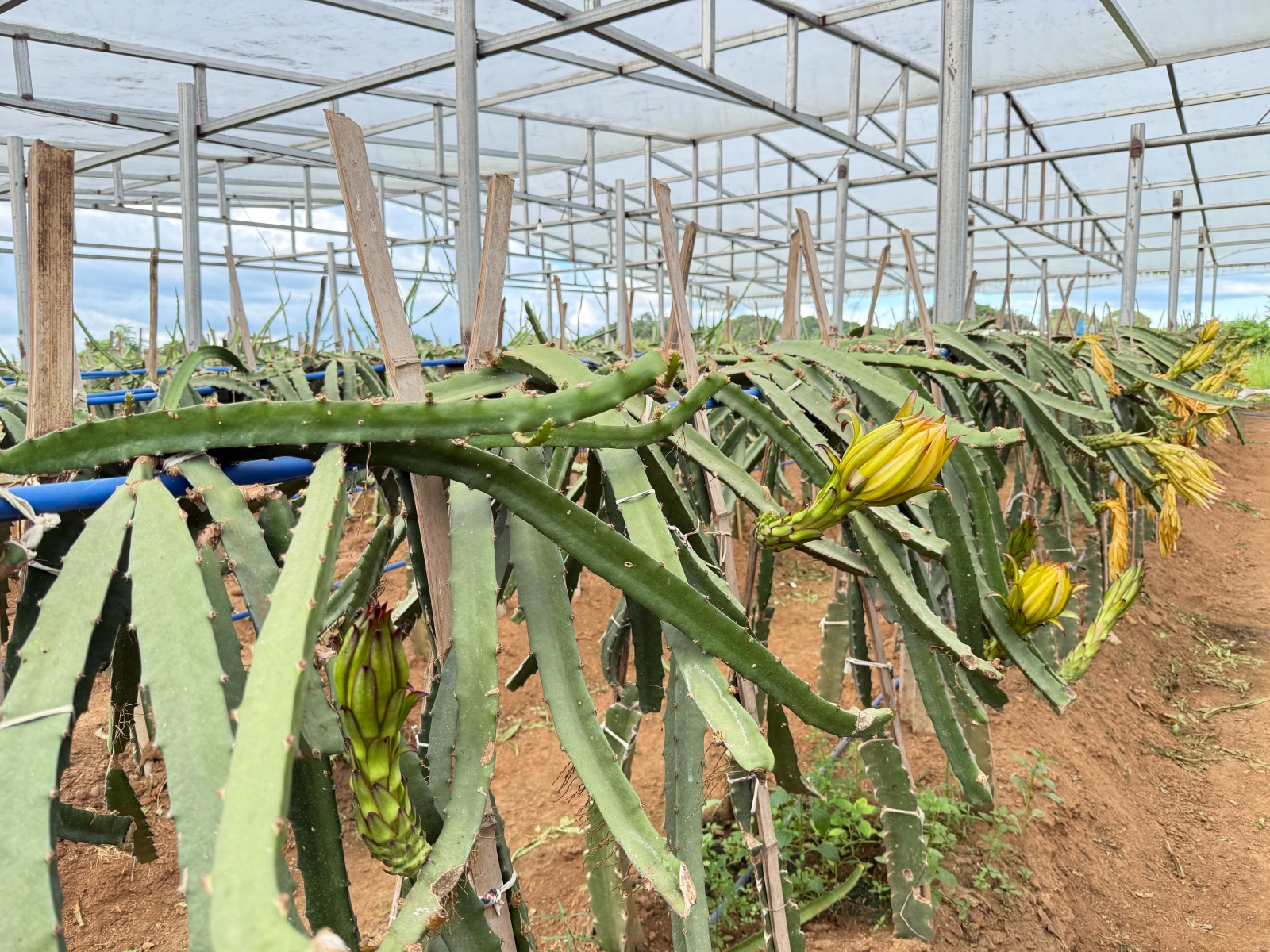
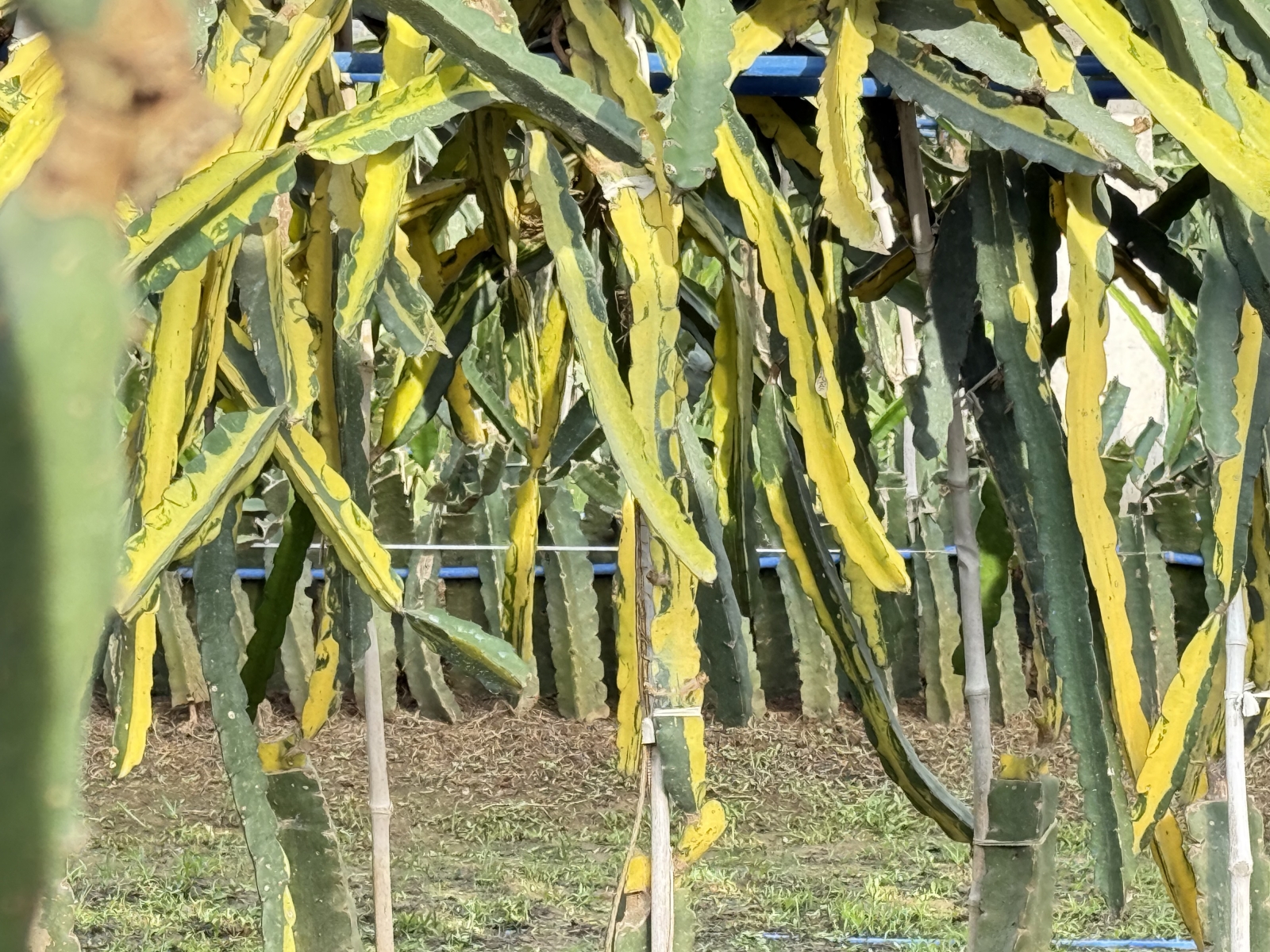
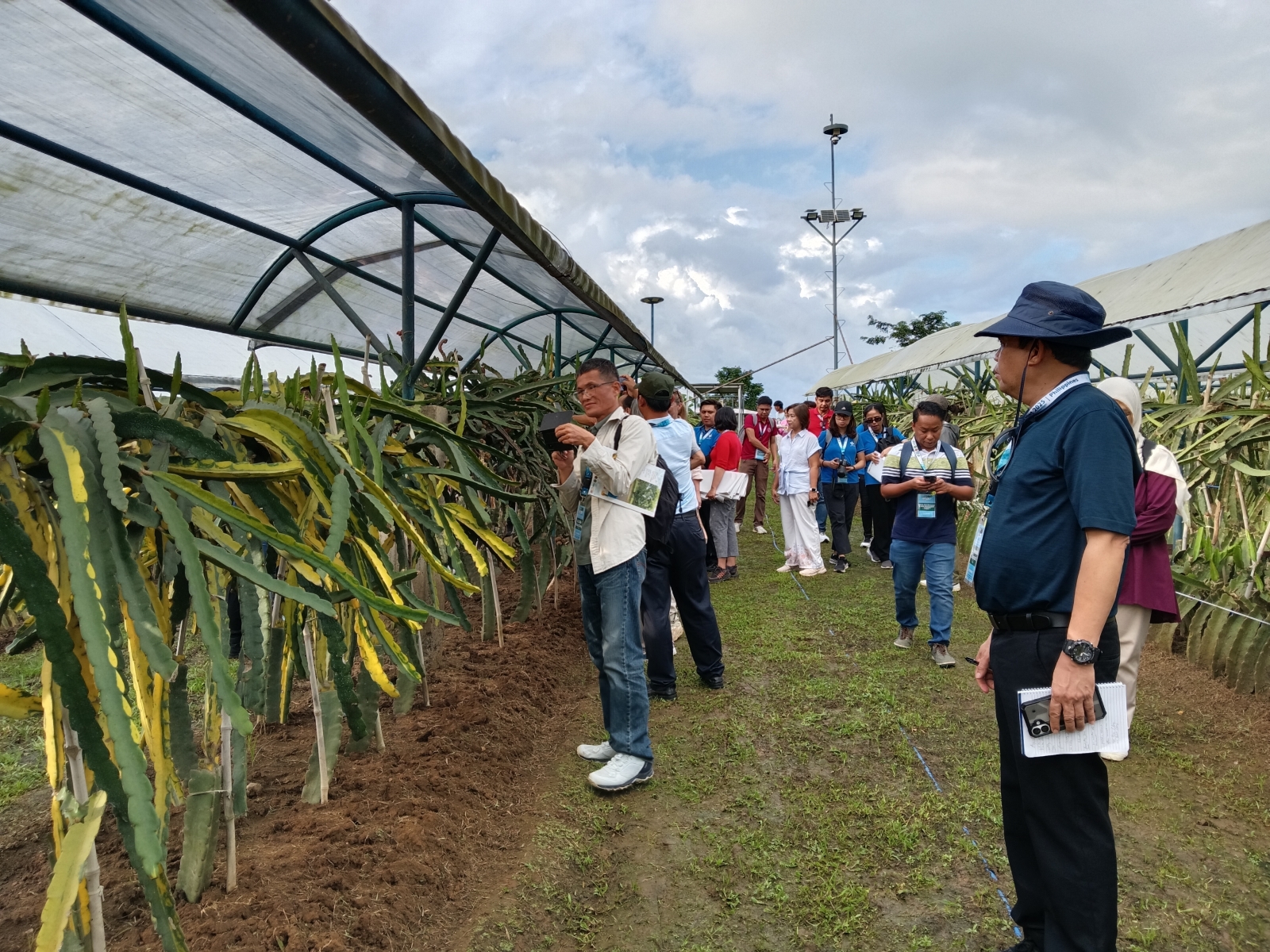
Site 3. Bulacan Dragon Fruit Depot – Angat, Bulacan
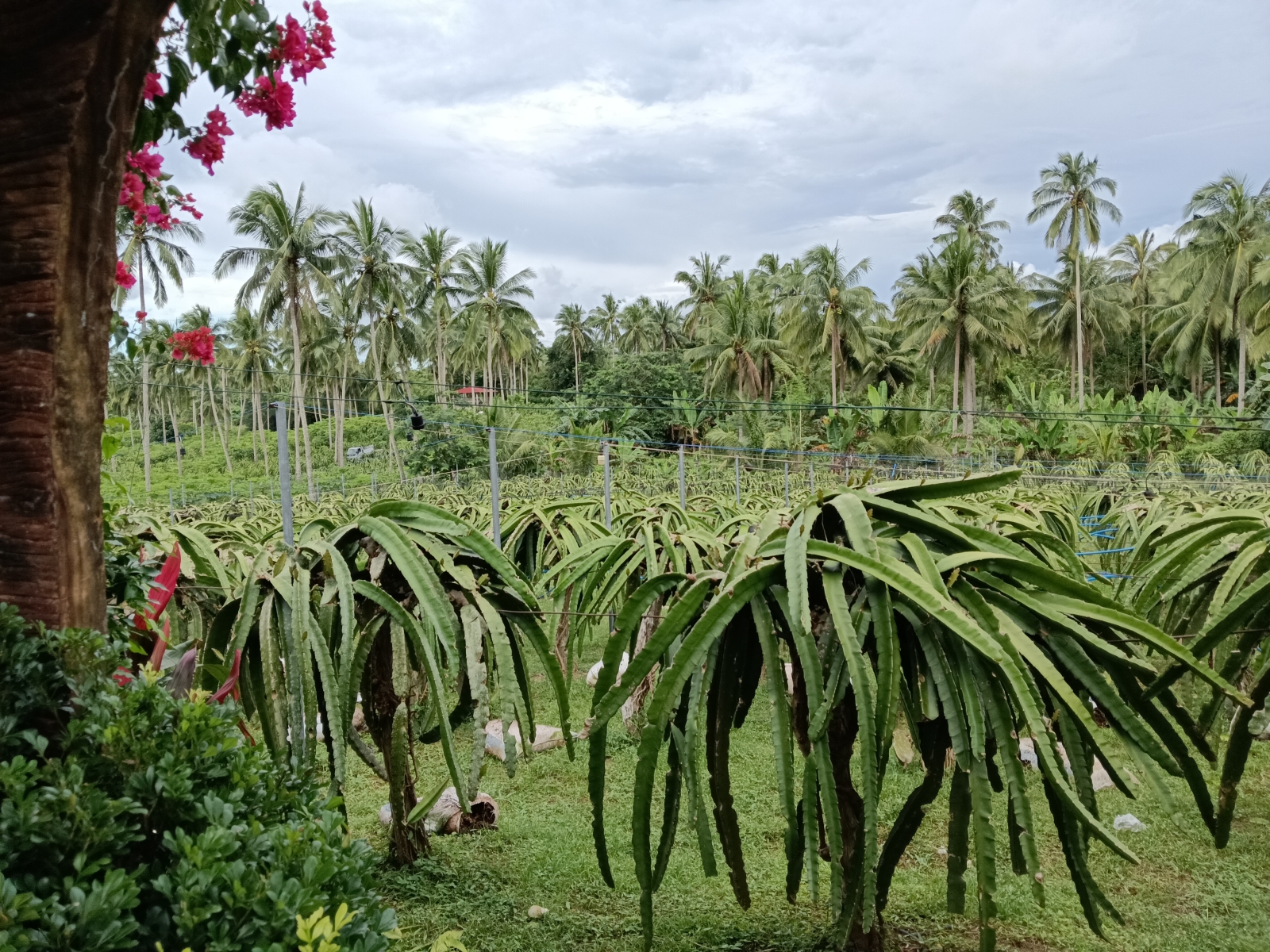
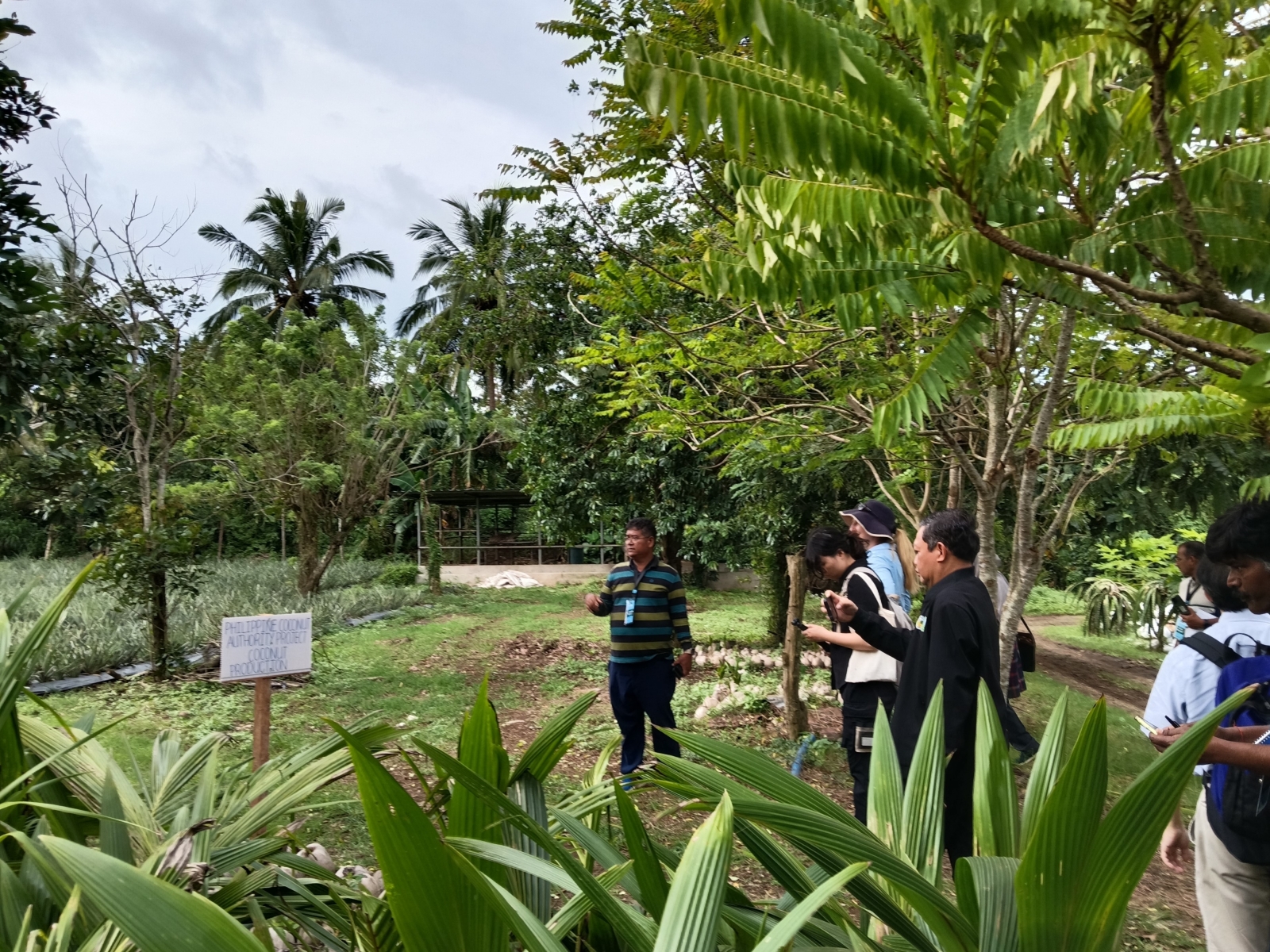
Site 5. Silan Agrifarm – Indang, Cavite
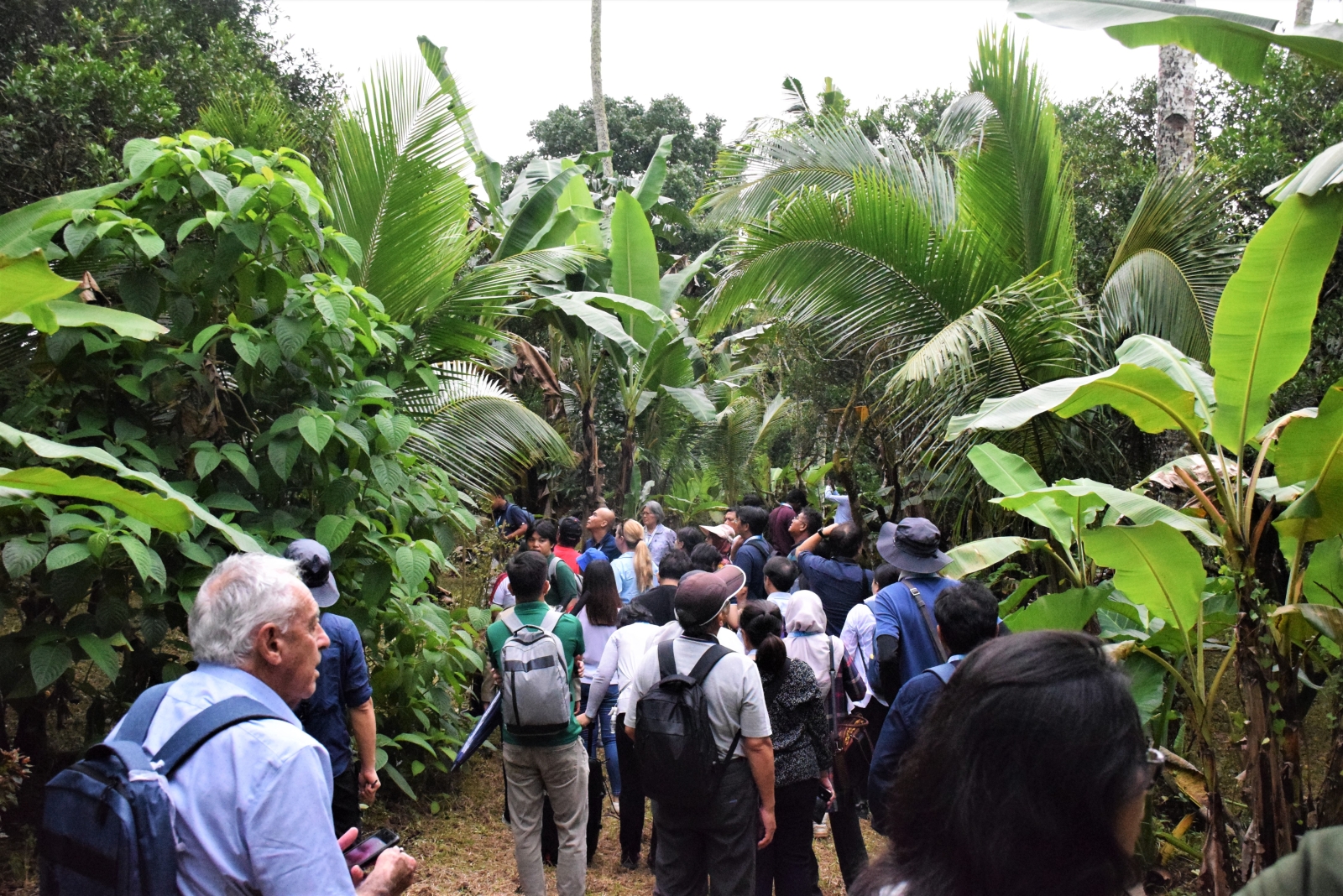
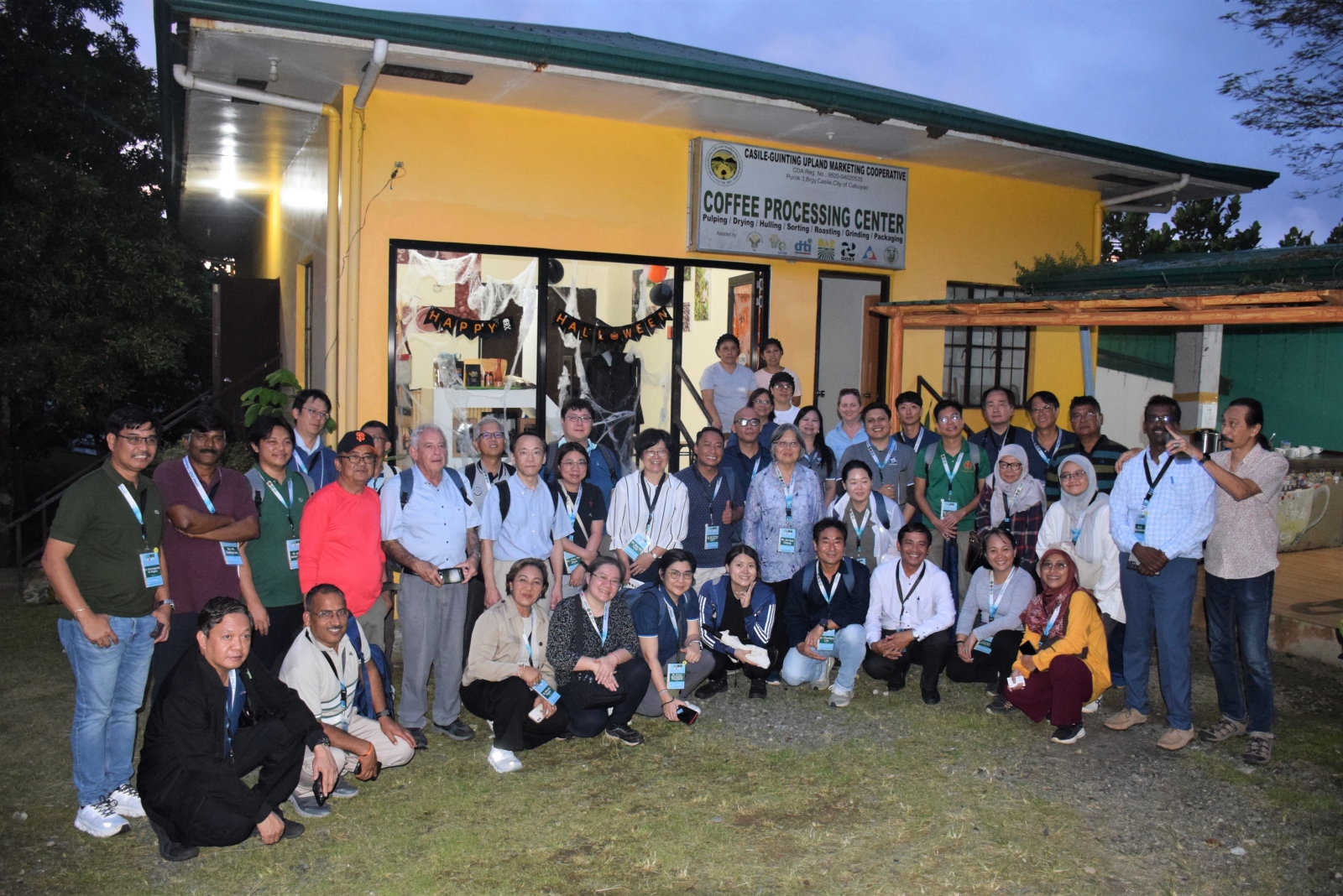
Site 6. De Sagun Farm – Cabuyao City, Laguna
.JPG)
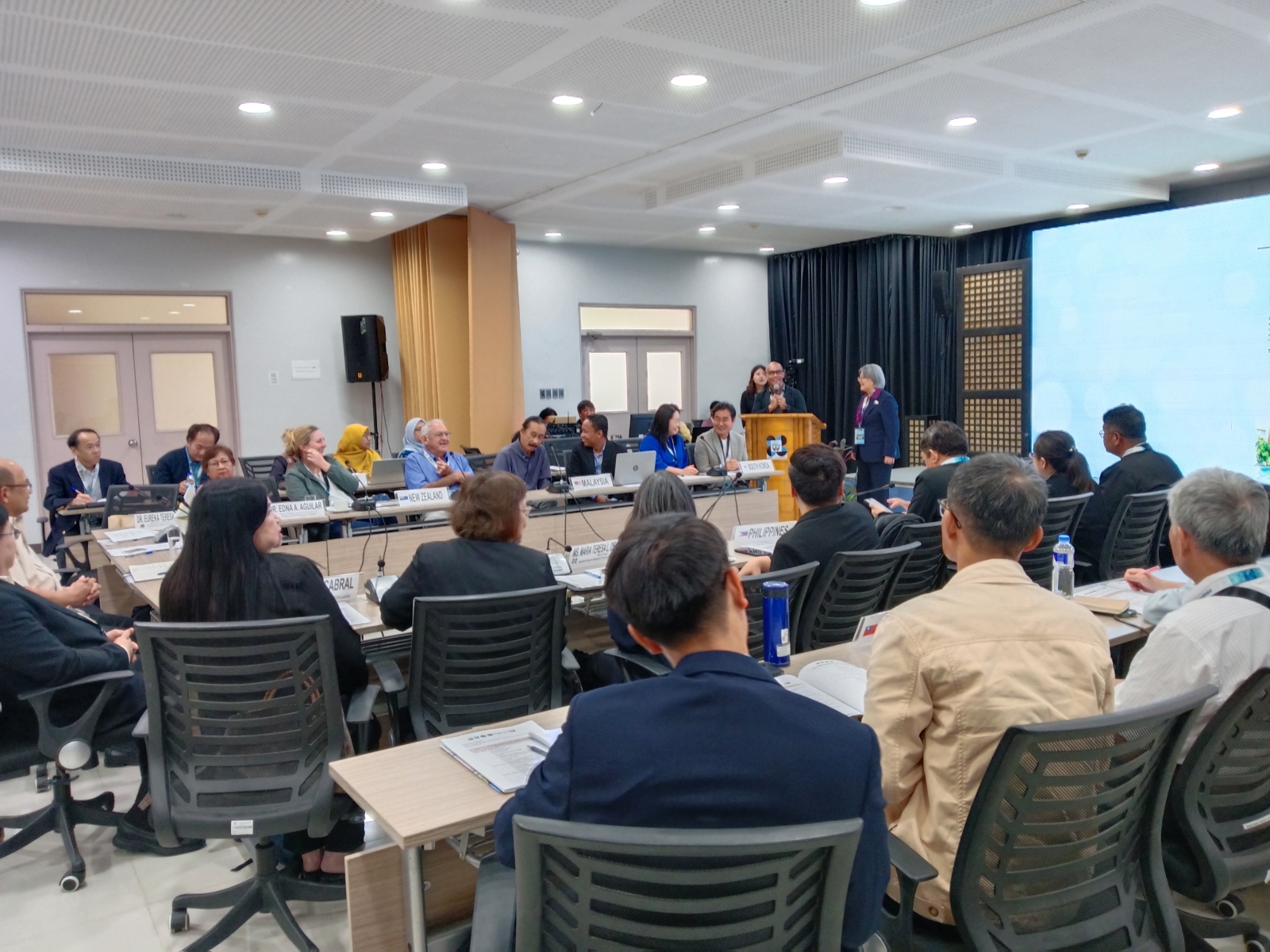
DFNet Forum at DOST PCAARRD, October 30, 2025


